
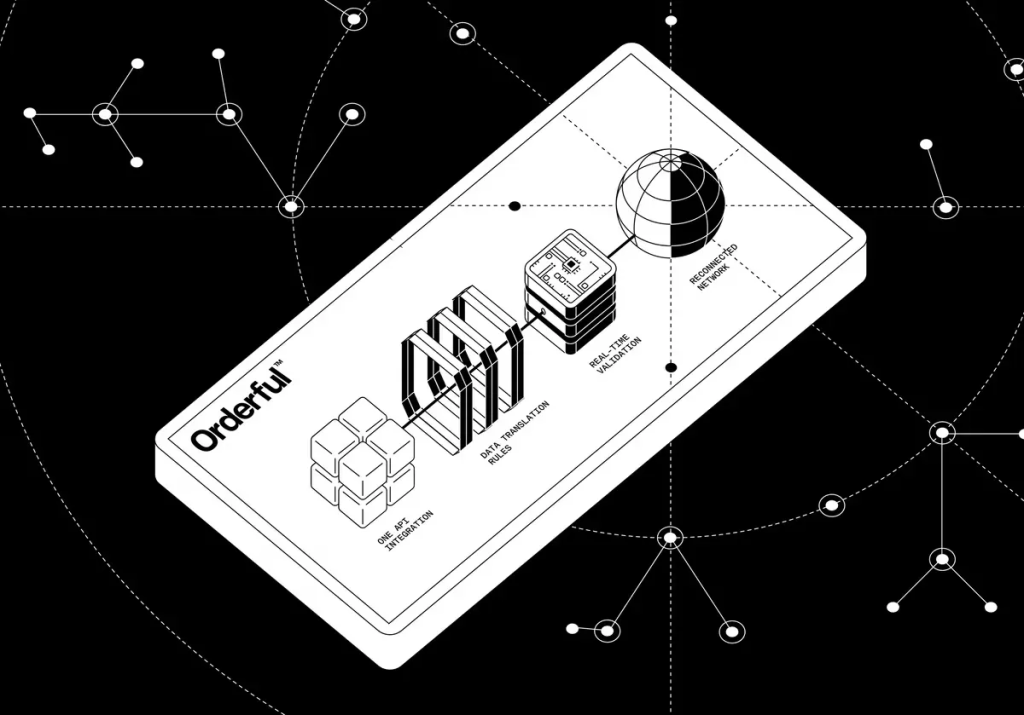
Electronic Data Interchange (EDI) has been a critical part of business operations for decades, especially in industries like retail, logistics, and manufacturing. Traditionally, EDI systems were complex, expensive, and difficult to maintain. In 2026, that is changing quickly. More companies are moving toward web based EDI software to streamline operations, reduce technical overhead, and improve partner connectivity.
Platforms like Orderful are part of this shift, offering modern approaches to EDI that remove many of the barriers associated with legacy systems. Instead of relying on rigid infrastructure, businesses can now manage data exchange through more flexible, cloud-based solutions.
What is web-based EDI software?
Web-based EDI software allows businesses to exchange structured data such as purchase orders, invoices, and shipping notices through a cloud platform. Unlike traditional EDI systems that require on-premise setup and dedicated IT resources, web-based solutions operate through browsers or APIs.
This makes it easier for companies to onboard new partners, manage transactions, and maintain compliance with industry standards without complex configurations.
Why companies are moving away from traditional EDI
Legacy EDI systems were designed for large enterprises with significant IT budgets. While they served their purpose, they often come with challenges that no longer fit modern business needs.
Common limitations include:
- High setup and maintenance costs
- Slow onboarding of new trading partners
- Limited flexibility for integrations
- Heavy reliance on manual processes
As supply chains become more dynamic, these limitations can slow down operations and create unnecessary friction.
The advantages of web-based EDI solutions
Web-based EDI software addresses many of the issues associated with traditional systems. One of the biggest benefits is accessibility. Teams can access data and manage transactions from anywhere, without needing specialized infrastructure.
Other key advantages include:
Faster onboarding
New trading partners can be connected more quickly, reducing delays in operations.
Lower costs
Cloud-based solutions eliminate the need for expensive hardware and ongoing maintenance.
Scalability
Businesses can handle increasing transaction volumes without major system changes.
Improved visibility
Real-time tracking of transactions provides better insight into supply chain activities.
These benefits make web-based EDI an attractive option for both growing companies and established enterprises.
Integration with modern business systems
In today’s environment, businesses rely on multiple systems, including ERP platforms, e-commerce tools, and logistics software. Web-based EDI solutions are designed to integrate more easily with these systems.
APIs play a key role in this integration. They allow data to flow seamlessly between platforms, reducing the need for manual entry and minimizing errors.
This level of integration helps create a more connected and efficient operational environment.
Compliance and standardization
EDI transactions must follow specific formats and standards, such as ANSI X12 or EDIFACT. Managing these standards manually can be complex, especially when working with multiple partners.
Web-based EDI software simplifies this process by handling formatting and validation automatically. This ensures that transactions meet required standards and reduces the risk of errors or rejected documents.
Compliance becomes more manageable, even as the number of trading partners grows.
Supporting real-time operations
Modern supply chains move quickly, and businesses need systems that can keep up. Web-based EDI platforms support near real-time data exchange, allowing companies to respond faster to changes.
For example, when a purchase order is received, it can be processed and confirmed almost immediately. This improves communication between partners and helps prevent delays.
Real-time capabilities are particularly valuable in industries where timing is critical.
Common use cases for web-based EDI
Web-based EDI software is used across a wide range of industries and scenarios. Some common applications include:
- Retailers managing supplier orders and inventory updates
- Logistics companies tracking shipments and delivery statuses
- Manufacturers coordinating production and supply chain activities
- E-commerce businesses are integrating with marketplaces and fulfillment providers
In each case, the goal is the same: to reduce manual work and improve efficiency.
Challenges to consider
While web-based EDI offers many advantages, there are still considerations to keep in mind. Transitioning from a legacy system can require planning and coordination, especially for businesses with established processes.
Data mapping and integration with existing systems may also require initial setup. However, once implemented, the long-term benefits often outweigh these challenges.
The future of EDI
As businesses continue to digitize operations, EDI is evolving alongside them. Web-based solutions are becoming the standard, offering greater flexibility and ease of use.
Looking ahead, we can expect further improvements in automation, integration, and data visibility. These advancements will continue to simplify how businesses exchange information and collaborate with partners.
Final thoughts
Web-based EDI software represents a significant step forward in how businesses manage data exchange. By moving away from complex, legacy systems, companies can streamline operations, reduce costs, and improve efficiency.
For organizations looking to modernize their processes, adopting a web-based approach to EDI can provide a strong foundation for future growth. As supply chains become more interconnected, having a flexible and reliable system in place is more important than ever.
 Aquaventurous