7 Common ISP Sales Mistakes That Cost Providers New Customers

Winning new customers has never been more challenging for internet service providers (ISPs). Consumers have more choices, compare providers online before making a decision, and expect a seamless experience from their first interaction to installation day. While many providers invest heavily in network infrastructure, their sales and marketing strategies don’t always evolve at the same pace.

The good news is that many of the biggest obstacles to customer acquisition are avoidable. Small improvements in targeting, communication, and follow-up can significantly increase conversion rates while making marketing budgets work harder.

If your goal is to generate more qualified leads and turn them into loyal subscribers, avoiding these common mistakes is an excellent place to start.

Key takeaways

  • Generic marketing messages rarely resonate with today’s broadband customers.
  • Delayed or inconsistent follow-up can lead to lost sales opportunities.
  • Localized campaigns outperform broad, untargeted advertising.
  • Marketing automation helps ISPs scale personalized outreach.
  • Measuring campaign performance is essential for improving ISP sales over time.

1. Treating every customer the same

One of the biggest mistakes providers make is assuming every prospect has the same priorities.

A family streaming multiple devices has different needs than a small business, remote worker, or apartment resident. Yet many campaigns still deliver identical messaging to every audience.

Instead, segment your prospects based on factors such as:

  • Residential or commercial customers
  • Geographic location
  • Internet usage
  • Service availability
  • Stage in the buying journey

Tailored messaging feels more relevant and increases the likelihood of engagement.

2. Waiting too long to follow up

Speed matters.

When someone checks service availability or requests a quote, they’re usually comparing several providers at once. Delayed responses create opportunities for competitors to step in first.

A strong follow-up process might include:

  • An immediate confirmation email
  • A personalized offer within 24 hours
  • A reminder if no action is taken
  • Helpful information about installation or available plans

Consistent communication keeps your brand top of mind without overwhelming prospective customers.

3. Ignoring local marketing opportunities

Internet service is a location-based business, making local marketing one of the most valuable customer acquisition strategies available.

Broad campaigns covering entire cities can waste budget by reaching people outside your service area.

Instead, focus on:

  • Newly connected neighborhoods
  • Residential developments
  • Apartment complexes
  • Business parks
  • Areas with recent fiber expansion

Localized campaigns improve relevance while helping prospects immediately understand that service is available where they live or work.

4. Relying on digital advertising alone

Digital marketing is essential, but it shouldn’t be the only way you reach potential customers.

People interact with brands across multiple channels before making purchasing decisions. Combining online and offline marketing creates more opportunities to build trust.

An effective strategy may include:

  • Search engine optimization
  • Paid search campaigns
  • Email marketing
  • Social media
  • Community events
  • Direct mail

Using multiple channels creates a more consistent customer experience while reinforcing your message throughout the buying journey.

5. Overlooking marketing automation

Many ISPs still rely on manual processes for customer outreach, from exporting mailing lists to scheduling campaigns individually.

Automation allows marketing teams to work more efficiently while delivering timely, personalized communications.

For example, providers can automatically send:

  • Welcome mail to new service areas
  • Installation reminders
  • Upgrade offers
  • Follow-up communications after website inquiries
  • Renewal campaigns

Platforms like Postalytics help ISPs automate direct mail alongside digital marketing efforts, making it easier to coordinate personalized outreach through CRM and marketing automation systems. Businesses looking to improve ISP sales can benefit from connecting direct mail with digital campaigns to create a more seamless customer journey.

6. Focusing only on new customers

Customer acquisition is important, but existing subscribers also represent valuable growth opportunities.

Retention strategies often cost less than acquiring entirely new customers.

Consider campaigns that promote:

  • Faster internet plans
  • Mesh Wi-Fi systems
  • Business services
  • Referral rewards
  • Seasonal promotions

Keeping current customers engaged increases lifetime value while encouraging referrals that generate qualified leads.

7. Not measuring marketing performance

Marketing decisions should be based on data rather than assumptions.

Without tracking performance, it’s difficult to know which campaigns deserve additional investment.

Important metrics include:

  • Cost per lead
  • Conversion rate
  • Customer acquisition cost
  • Campaign response rate
  • Customer lifetime value
  • Return on marketing investment

Regular reporting allows providers to identify successful strategies, eliminate underperforming campaigns, and continually improve results.

Conclusion

Growing an internet service business requires more than competitive pricing or network expansion. Successful providers combine localized marketing, personalized communication, and automation to create better customer experiences from the first interaction through long-term retention.

Avoiding common mistakes such as generic messaging, slow follow-up, and disconnected marketing channels can significantly improve acquisition efforts. By embracing data-driven decision-making and integrated marketing strategies, ISPs can build stronger relationships with prospective customers and create a sustainable foundation for long-term growth.
Web-Based EDI Software in 2026: How Modern Businesses Simplify Data Exchange

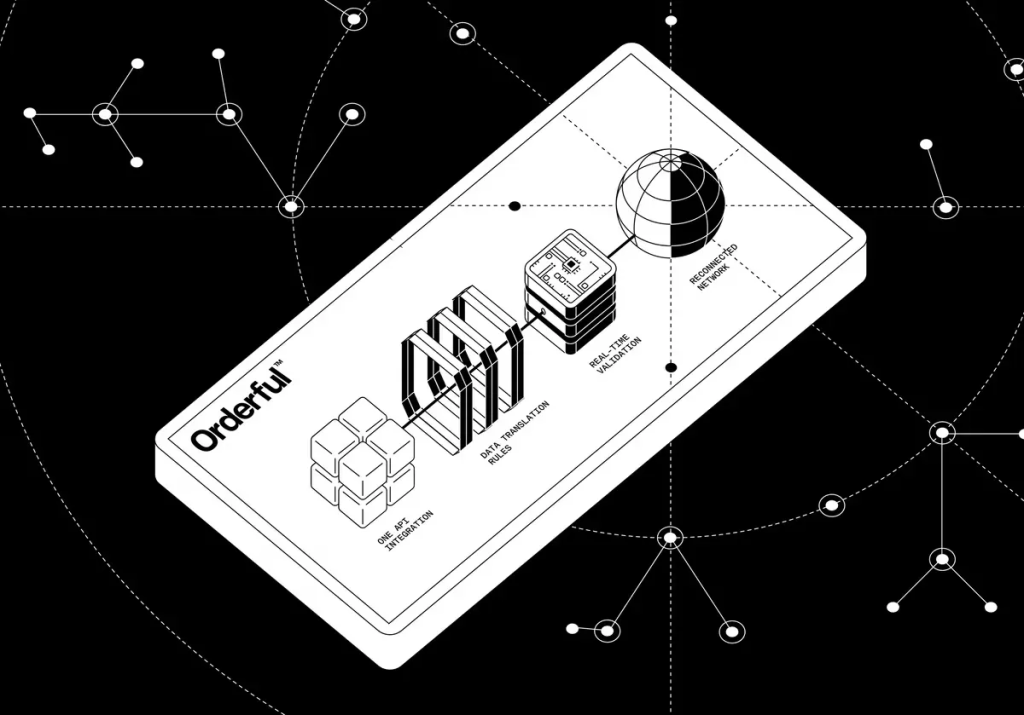
Electronic Data Interchange (EDI) has been a critical part of business operations for decades, especially in industries like retail, logistics, and manufacturing. Traditionally, EDI systems were complex, expensive, and difficult to maintain. In 2026, that is changing quickly. More companies are moving toward web based EDI software to streamline operations, reduce technical overhead, and improve partner connectivity.

Platforms like Orderful are part of this shift, offering modern approaches to EDI that remove many of the barriers associated with legacy systems. Instead of relying on rigid infrastructure, businesses can now manage data exchange through more flexible, cloud-based solutions.

What is web-based EDI software?

Web-based EDI software allows businesses to exchange structured data such as purchase orders, invoices, and shipping notices through a cloud platform. Unlike traditional EDI systems that require on-premise setup and dedicated IT resources, web-based solutions operate through browsers or APIs.

This makes it easier for companies to onboard new partners, manage transactions, and maintain compliance with industry standards without complex configurations.

Why companies are moving away from traditional EDI

Legacy EDI systems were designed for large enterprises with significant IT budgets. While they served their purpose, they often come with challenges that no longer fit modern business needs.

Common limitations include:

  • High setup and maintenance costs
  • Slow onboarding of new trading partners
  • Limited flexibility for integrations
  • Heavy reliance on manual processes

As supply chains become more dynamic, these limitations can slow down operations and create unnecessary friction.

The advantages of web-based EDI solutions

Web-based EDI software addresses many of the issues associated with traditional systems. One of the biggest benefits is accessibility. Teams can access data and manage transactions from anywhere, without needing specialized infrastructure.

Other key advantages include:

Faster onboarding
New trading partners can be connected more quickly, reducing delays in operations.

Lower costs
Cloud-based solutions eliminate the need for expensive hardware and ongoing maintenance.

Scalability
Businesses can handle increasing transaction volumes without major system changes.

Improved visibility
Real-time tracking of transactions provides better insight into supply chain activities.

These benefits make web-based EDI an attractive option for both growing companies and established enterprises.

Integration with modern business systems

In today’s environment, businesses rely on multiple systems, including ERP platforms, e-commerce tools, and logistics software. Web-based EDI solutions are designed to integrate more easily with these systems.

APIs play a key role in this integration. They allow data to flow seamlessly between platforms, reducing the need for manual entry and minimizing errors.

This level of integration helps create a more connected and efficient operational environment.

Compliance and standardization

EDI transactions must follow specific formats and standards, such as ANSI X12 or EDIFACT. Managing these standards manually can be complex, especially when working with multiple partners.

Web-based EDI software simplifies this process by handling formatting and validation automatically. This ensures that transactions meet required standards and reduces the risk of errors or rejected documents.

Compliance becomes more manageable, even as the number of trading partners grows.

Supporting real-time operations

Modern supply chains move quickly, and businesses need systems that can keep up. Web-based EDI platforms support near real-time data exchange, allowing companies to respond faster to changes.

For example, when a purchase order is received, it can be processed and confirmed almost immediately. This improves communication between partners and helps prevent delays.

Real-time capabilities are particularly valuable in industries where timing is critical.

Common use cases for web-based EDI

Web-based EDI software is used across a wide range of industries and scenarios. Some common applications include:

  • Retailers managing supplier orders and inventory updates
  • Logistics companies tracking shipments and delivery statuses
  • Manufacturers coordinating production and supply chain activities
  • E-commerce businesses are integrating with marketplaces and fulfillment providers

In each case, the goal is the same: to reduce manual work and improve efficiency.

Challenges to consider

While web-based EDI offers many advantages, there are still considerations to keep in mind. Transitioning from a legacy system can require planning and coordination, especially for businesses with established processes.

Data mapping and integration with existing systems may also require initial setup. However, once implemented, the long-term benefits often outweigh these challenges.

The future of EDI

As businesses continue to digitize operations, EDI is evolving alongside them. Web-based solutions are becoming the standard, offering greater flexibility and ease of use.

Looking ahead, we can expect further improvements in automation, integration, and data visibility. These advancements will continue to simplify how businesses exchange information and collaborate with partners.

Final thoughts

Web-based EDI software represents a significant step forward in how businesses manage data exchange. By moving away from complex, legacy systems, companies can streamline operations, reduce costs, and improve efficiency.

For organizations looking to modernize their processes, adopting a web-based approach to EDI can provide a strong foundation for future growth. As supply chains become more interconnected, having a flexible and reliable system in place is more important than ever.